This is the result of session 5 in my course on Social Robot Design (2025/2026). The content of this session was mainly about the ethical aspects about robotics. In the lecture we played out several plays (LARPs). The first one was about an app that could predict your life expectancy, but it was paid and promoted inequality. We were asked to play out the roles where each of us got a different role (having the app, and not having the app).
The second scenario was more free formed, but it was again a LARP-style exploration of a topic. The topic we chose for this one was the Miro-E robot in a classroom to encourage learning/ helping students learn. The robot could ask questions, encourage taking breaks and just serve as a general partner.
Our group assignment for this week was to collect observations from the tools we used. We had to reflect on how a larp might be designed for an aspect of our case, and what the expected outcomes / merits / insights might be.
One of the things we worked at (the second LARP assignment) is shown below.
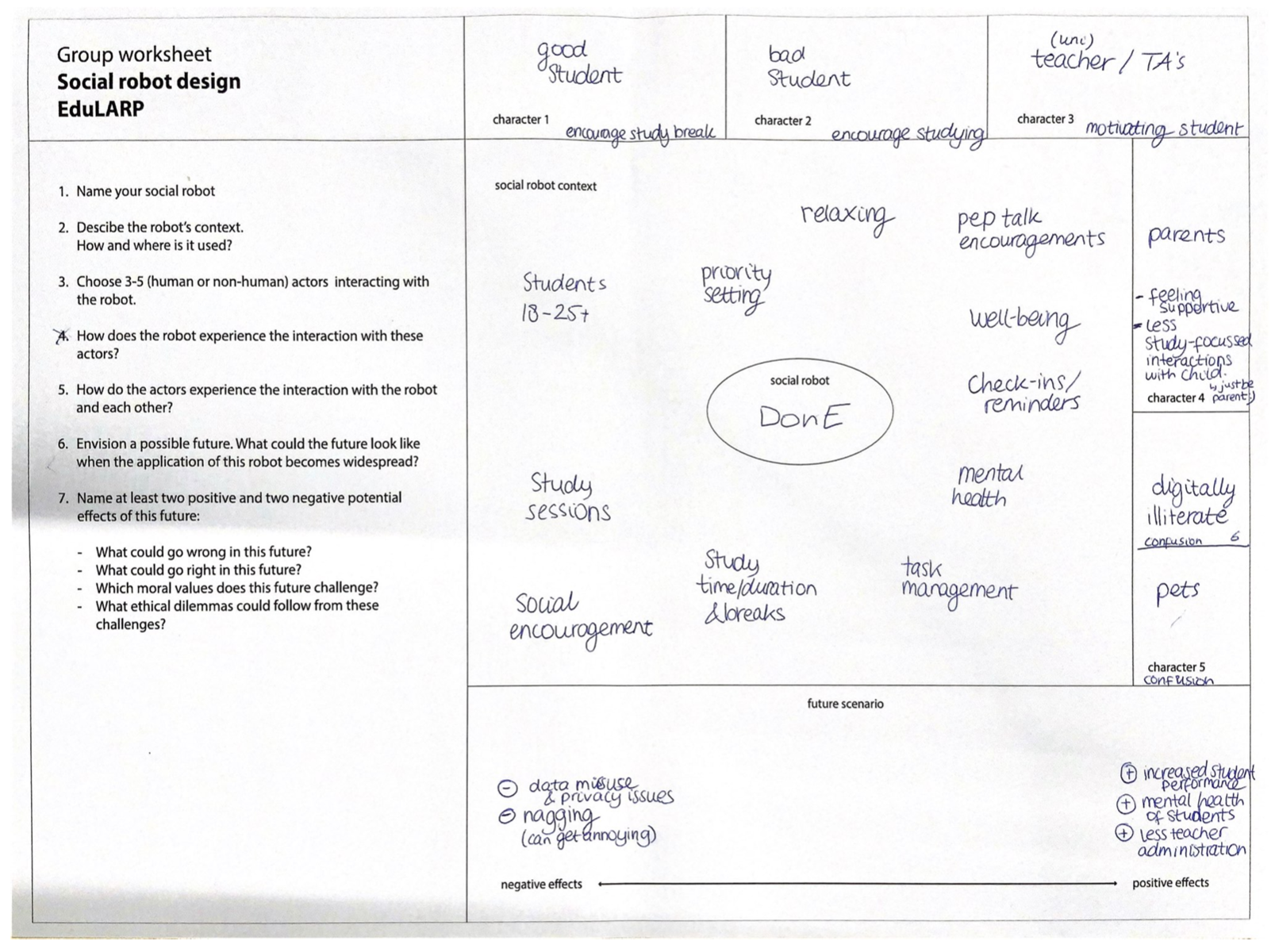 Figure 1: The group worksheet we filled out in class
I’ve also attached a picture to show the vibe/ theme of the workshop
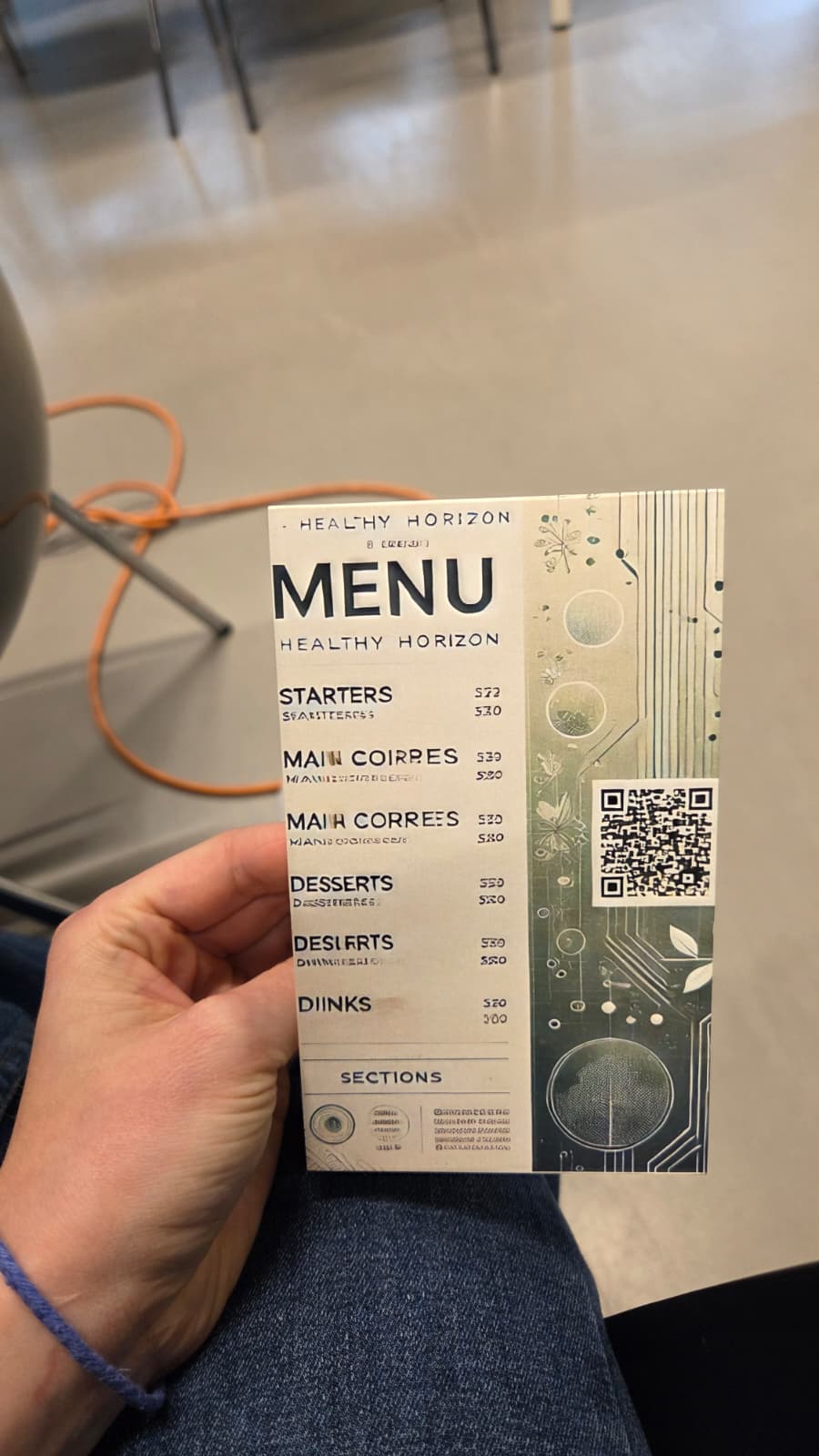
This was done with:
- Liz van Ginderen (s27349745)
- Anna Hornman (s3056600)
- Oyindrila Sen Gupta (s3697762)
- Sarah Mans (s2306379)
LARP Reflection
To me, LARP is a very interesting methodology to get insights into certain scenarios and situations. I mean, you’re basically playing out a character with a distinct personality and values. But what is also interesting is how the person that acts out (and creates or imagines the behavior of said character) the played out character, affects how this character behaves, because each of us has a different viewpoint. So you get very unique situations. In the dialogue that follows you get to truly explore a certain scene that yields insights into the situation itself. To me, it is a super interesting method because there is so much creative freedom. Nothing is set in stone, and each of us has a different perspective, even if we are playing out distinct characters.
Looking back at our worksheet for the Miro-E scenario, some concrete tensions came out. The “good student” character welcomed the robot’s suggestion to take a break, while the “bad student” character felt the same suggestion as pressure. The teacher/TA character mostly wanted the robot to motivate the student, while the parent character was supportive but also uneasy.
We also added a “digitally illiterate” character and a pet, which showed how much the design assumes a user who can engage with the robot. In the future scenario, nagging and data misuse were the main risks, and better student performance, mental health, and less teacher workload the main benefits. Acting it out forced us to decide in the moment how each character would react to one specific line from the robot, rather than describing it in general terms.
The tension most relevant to our design case was the gap between “encouraging” and “nagging”. The same nudge can feel caring to one person and controlling to another. This connects to van Wynsberghe’s Care Centered Value Sensitive Design for care robots, which argues that a robot’s values (such as autonomy or care) should come from the actual care setting it’s used in, not be decided beforehand 1.
van Wynsberghe, A. (2013). Designing robots for care: Care centered value-sensitive design. Science and Engineering Ethics, 19(2), 407-433. https://doi.org/10.1007/s11948-011-9343-6 ↩︎