Hey there, It’s Flim. In this post I’d like to ramble a bit on why I love robotics research and how we got there, a bit of my thoughts on the topics and what I’ll be doing next.
It started when I first saw the Atlas robot from Boston Dynamics (the old hydraulic one) doing crazy flips and tricks when I was in high school. I wanted to know how it worked and how I could build my own. And, well, this kind of got me into engineering.
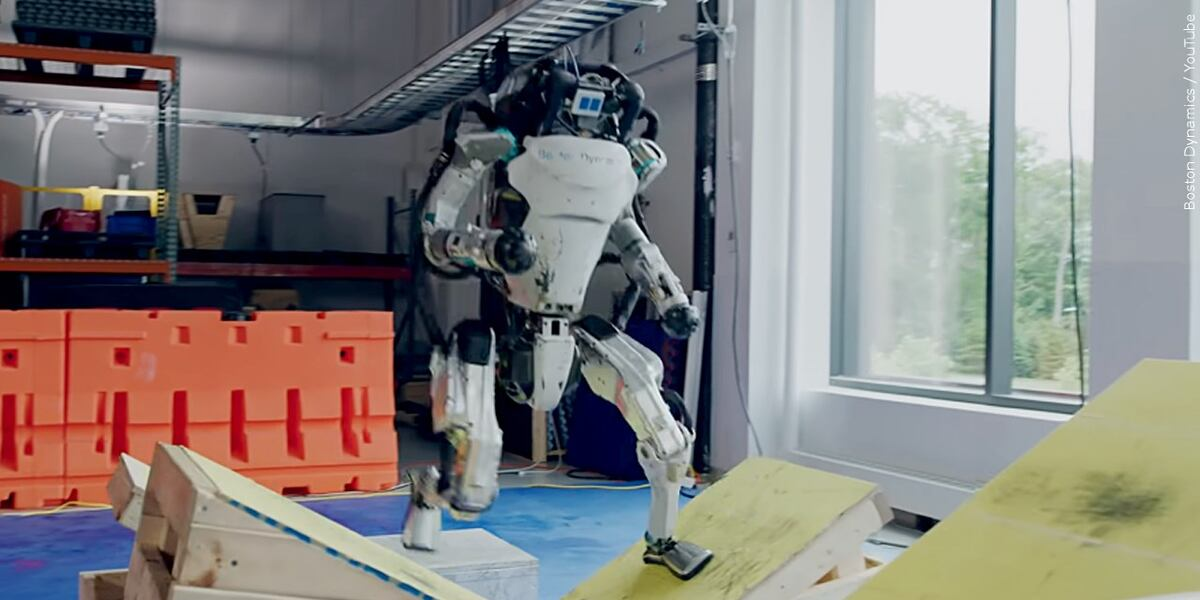
By the time I reached my bachelor’s thesis, I was completely hooked on robotics and AI. In my mind embodied AI was going to change the world, and I wanted to help make that happen. My choice for a master’s in Robotics with a focus on software and AI was then a pretty straightforward choice. And until this day I love that choice. I spent my entire coursework focusing on AI and deep learning, knowing that if I wanted to apply these tools to robotics, I needed a strong foundation in AI itself.
Then around 2023/2024 VLA models came out like Google’s RT-1, RT-2, Pi_Zero and OpenVLA. A bit later I also remember seeing Pi 0.5 do crazy things inside of real homes and I was absolutely baffled. It was literally cleaning up and making beds. This wasn’t even that long ago.
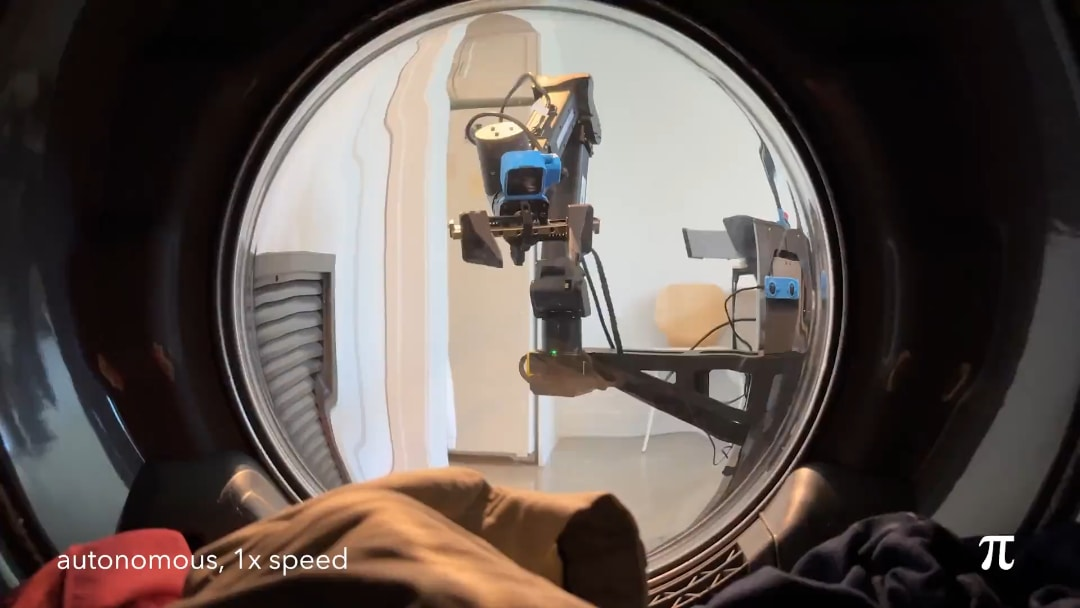
Now, the field is exploring the use of generative world models as backbones for generalist robotic policies, which until now seems quite promising as an alternative to VLM backbones.
But then HumanEgo came out and results they got blew my mind because they achieved such good performance using a, well, pretty “classical” pipeline. Combining models like grounding DINO and SAM etc to hand-engineer a “geometry” feature and feed that into a flow matching head. It’s a radical different approach to what people seem to be doing right now.
But you know what it is. Research, by definition, is about doing what hasn’t been done before, which brings a lot of uncertainty. When I asked my supervisor how to develop my “research spidey senses”, he said:
“Research is often an iterative process, where ideas that didn’t look that great initially, turned out to be very promising. In deep learning a lot unfortunately doesn’t work. Try to keep a broad orientation and develop ideas.”
And you know what: that’s great. That uncertainty of not knowing what works, is exactly why I love research. Strangely enough this is where I thrive the most. Not knowing if something works or not, making outrageous bets that either pay off big time or fall dead in the water.
I’ll be starting my master’s thesis at TNO to explore the questions of our time regarding world models and robot policies. I look at the work being done by researchers like Sergey Levine, Chelsea Finn, and Moojin Kim, and I know that is the group I want to join. I want to be a robotics researcher.
Running List of Research Ideas
- Learning from less data with stronger representations
- Exploring implicit geometric representations in world models (e.g. bake in another loss)
- Using 3D/ monocular pipelines/VGGT for richer representations